

Have you ever read The Invisible String? It’s a children’s book by Patrice Karst. The mother in the story tells her young twins who have woken up in a storm that they needn’t worry and can return to bed. She then describes the invisible string which connects them to her and all whom they love. They can tug on the string whenever they want and, because the string is made of love, it will tug back. Karst asks readers to imagine how far their strings may stretch. It ends by assuring “no one is ever alone.”
Would you agree there are millions of invisible strings stretching around the world right now? They’re connecting grandparents with grandchildren who are social distancing, families gathering on balconies in the evenings cheering in support of first responders and healthcare providers, farmers and grocery store workers with neighbors waiting patiently in crowded food lines.
I could fill this post with countless examples of invisible strings connecting humanity (a good thing for sure) but I’d like instead to invite you to consider another invisible string – the one connecting us to spring and to God.
A couple weeks ago when the news seemed particularly sobering, I felt a tug to go outside and photograph spring. Honestly, it didn’t feel quite right at the time. It wasn’t the eerie quiet in the neighborhood so much as a feeling of guilt in doing something enjoyable. But the tug won out and, as is often the case, the more I photographed, the better I felt. By the time I returned home, my sadness had turned to gratitude. I gave a little tug to my string.
Here are some of the images from that day and another that followed:
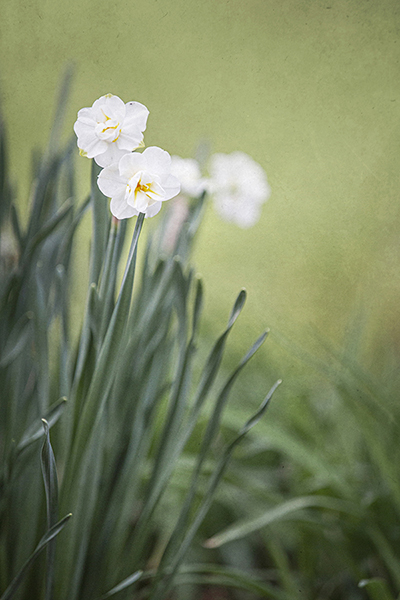
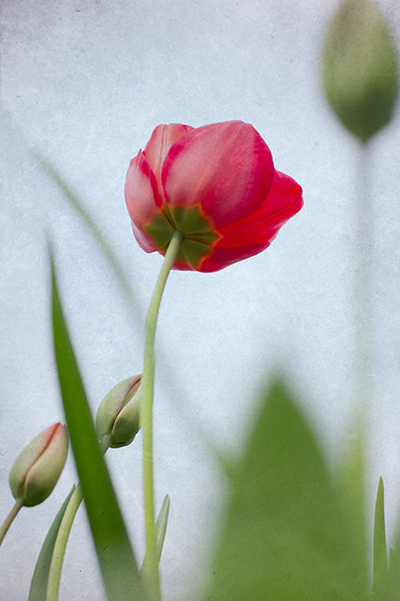
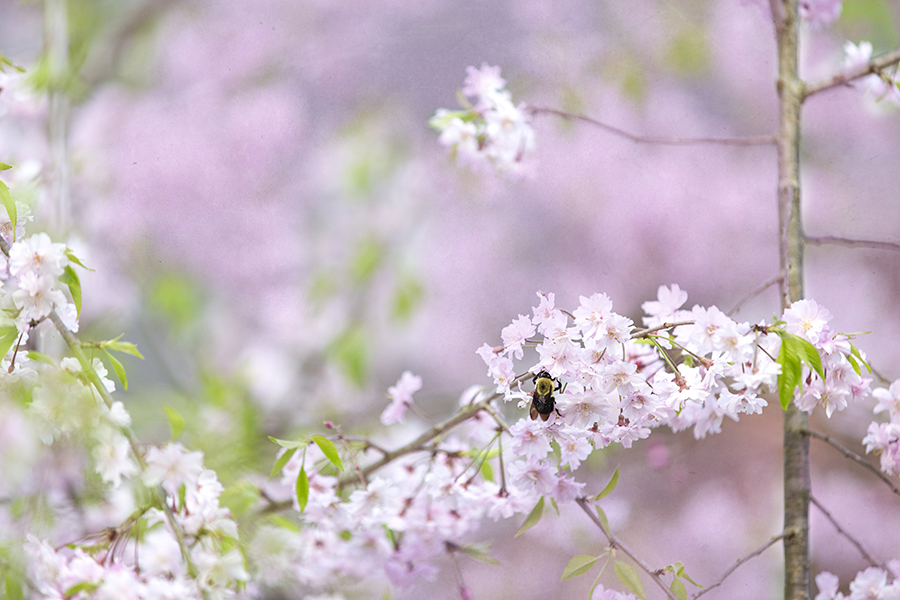
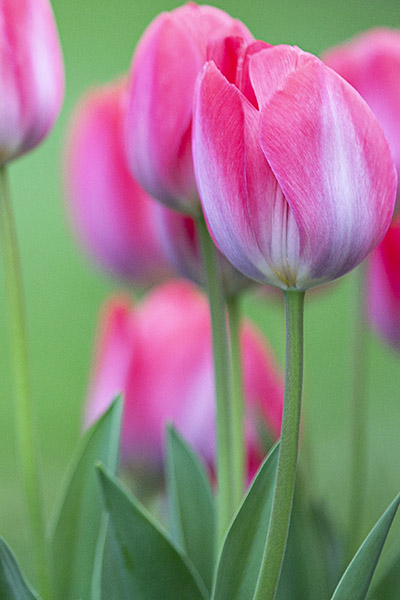


I hope you like these images from around my neighborhood. Granted, they are not as showy as something I may have shot in a botanical garden, but they’ve given me a nice lift. That’s partly because, as devastating as COVID-19 is, it’s helped me appreciate beauty in people, places, and things that, only a few months ago, I’m not sure I would have noticed. I’m thankful for that.
Spring is best known as the season of hope. We’re excited to see the first robin or daffodil because it suggests we’re turning the corner away from the cold, dark nights of winter. Each bud fosters anticipation of something more joyous to come. Yesterday I walked through our neighborhood and saw purple irises, pink azaleas, and Knock Out Roses. Yes, they’re all proclaiming hope, but also providing comfort and reassurance from a loving God who gently, sometimes boldly, tugs our invisible strings made of love. Each little miracle of spring is a reminder – “no one is ever alone.”
Thank you for following my blog. For a free screensaver of the featured image in this post, or for a vertical version from the same tulip patch, please visit http://www.maryricephoto.com/spring. Click Select Photos in the bar at the top right corner of your screen. After the screen refreshes, click download. Should “menu” appear over the top left corner of an image, click it and then download.
Feel free to share the images with others. It’s a good time to tug someone you love.
Take care.





 Mary Rice's blog